The Faculty of Mathematics and Natural Sciences (FMIPA) at Universitas Sumatera Utara (USU) has a vision to become a leading faculty in the fields of basic sciences and technology with global competitiveness. Committed to this vision, FMIPA USU offers high-quality higher education that equips students with knowledge and skills relevant to global demands.
We are also focused on developing excellent research that leverages local potential to produce high-competitiveness technological innovations. Furthermore, FMIPA USU actively applies science and technology through community service activities, fostering a resilient and globally competitive scientific community.
As one of the best and oldest FMIPAs in Indonesia, FMIPA USU continuously strives to produce outstanding graduates, innovative research, and tangible contributions to society, in line with our mission to be a center of academic excellence in the fields of basic sciences and technology.

History
1959
The establishment of FMIPA USU began in 1959 through various discussions during the leadership meetings of USU, which at the time were called the Presidium and Assessor Meetings. The proposed name was the Faculty of Mathematics and Natural Sciences of Universitas Sumatera Utara, abbreviated as FIPIA USU. Subsequently, a Committee for the Establishment of FIPIA USU was formed. The Presidium of Universitas Sumatera Utara, led by Prof. Dr. A. Sofyan, reported and submitted the committee composition to the Head of the Higher Education Coordination Bureau at the Ministry of Education, Teaching, and Culture in Jakarta through letter No. D/3420/6/Upen/K dated December 29, 1959.
1960
On April 5, 1960, the Presidium, through letter No. D/526/Upen/K, requested the Minister of Education, Teaching, and Culture to officially recognize the committee effective from January 11, 1960. The Minister at the time, Prof. Dr. Prijono, responded with letter No. 71428/S dated August 25, 1960, requesting a list of the leadership and faculty members of the Faculty of Mathematics and Natural Sciences (FIPIA). While preparing academic programs and recruiting lecturers, political unrest at USU led to the relocation of Prof. G. A. de Neve to Bandung, temporarily halting the establishment efforts. In 1962, lecturers in Mathematics and Physics—Drs. P. Siagian, Drs. P. B. Simanjuntak, and Ir. Kardi Yusuf—arrived at USU. All were assigned to the Faculty of Engineering.
1965
In early 1965, stability returned to USU under the leadership of Rector Drg. Nazir Alwi, and preparations for the official opening of FIPIA were considered complete. The initial plan was to open three departments simultaneously: Mathematics, Physics, and Chemistry. Adequate lecturers were available for Mathematics and Physics, but Chemistry faced a shortage of qualified personnel. The only suitable candidate at the time was Drs. R. A. Soekemi, Apt., a practicing pharmacist in a private company. A.T. Barus, M.Sc., personally approached him, and Drs. R. A. Soekemi, Apt., agreed to become a lecturer and head the Department of Chemistry. This proposal was forwarded by the Rector of USU to the Ministry of Education and Culture and was approved by the Minister at the time, Prof. Dr. Syarief Thayeb. The establishment of FIPIA USU was officially declared in the Minister’s letter No. 9863/Sekret/BUP/1965 dated November 30, 1965.
1974
In 1974, the faculty underwent its first name change, from Faculty of Exact Sciences and Natural Sciences to Faculty of Exact Sciences and Natural Knowledge Sciences.
1982
In 1982, FIPIA USU was renamed FMIPA USU, short for Fakultas Matematika dan Ilmu Pengetahuan Alam Universitas Sumatera Utara, based on a decree from the Directorate General of Higher Education dated September 7, 1982. Since then, the name FMIPA has been standardized for all universities and institutes across Indonesia.
Faculty Leaders

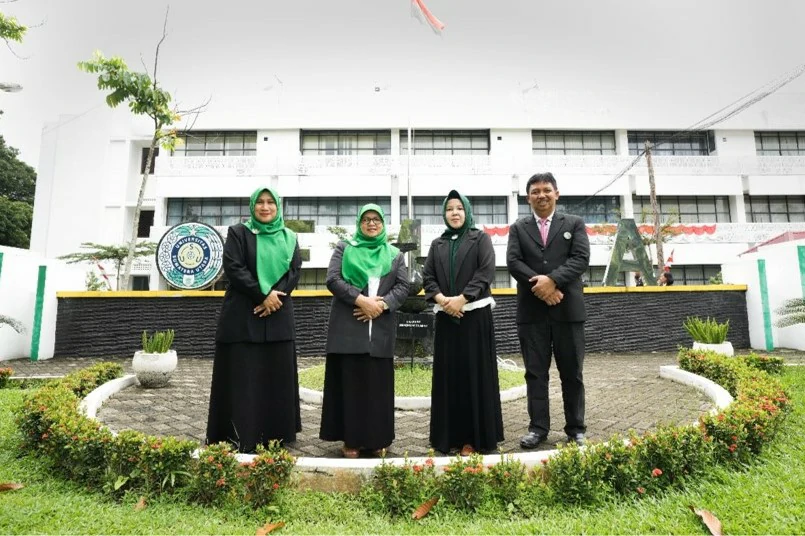
Nursahara Pasaribu
Dean
of Faculty of Mathematics and Natural Sciences
Prof. Dr. Nursahara Pasaribu, M.Sc. was born in Sipirok, South Tapanuli, on January 23, 1963. She completed her undergraduate degree at Universitas Andalas in 1988, followed by a Master’s degree at Ball State University, United States, in 1995. She later earned her Doctorate in Plant Taxonomy from Institut Pertanian Bogor in 2010.
Since 1990, she has served as a lecturer at the Biology Study Program of FMIPA, focusing on the field of Plant Taxonomy. Before serving as the Dean of the Faculty of Mathematics and Natural Sciences, she held the position of Vice Dean I of FMIPA from 2016 to 2021, and Head of the Biology Study Program from 2010 to 2016.
In addition, she has been appointed as a reviewer for the Indonesian Journal of Biology and a national reviewer for the Student Creativity Program (PKM) under the Directorate of Learning and Student Affairs, Directorate General of Higher Education, Research, and Technology, Ministry of Education, Culture, Research, and Technology of the Republic of Indonesia.
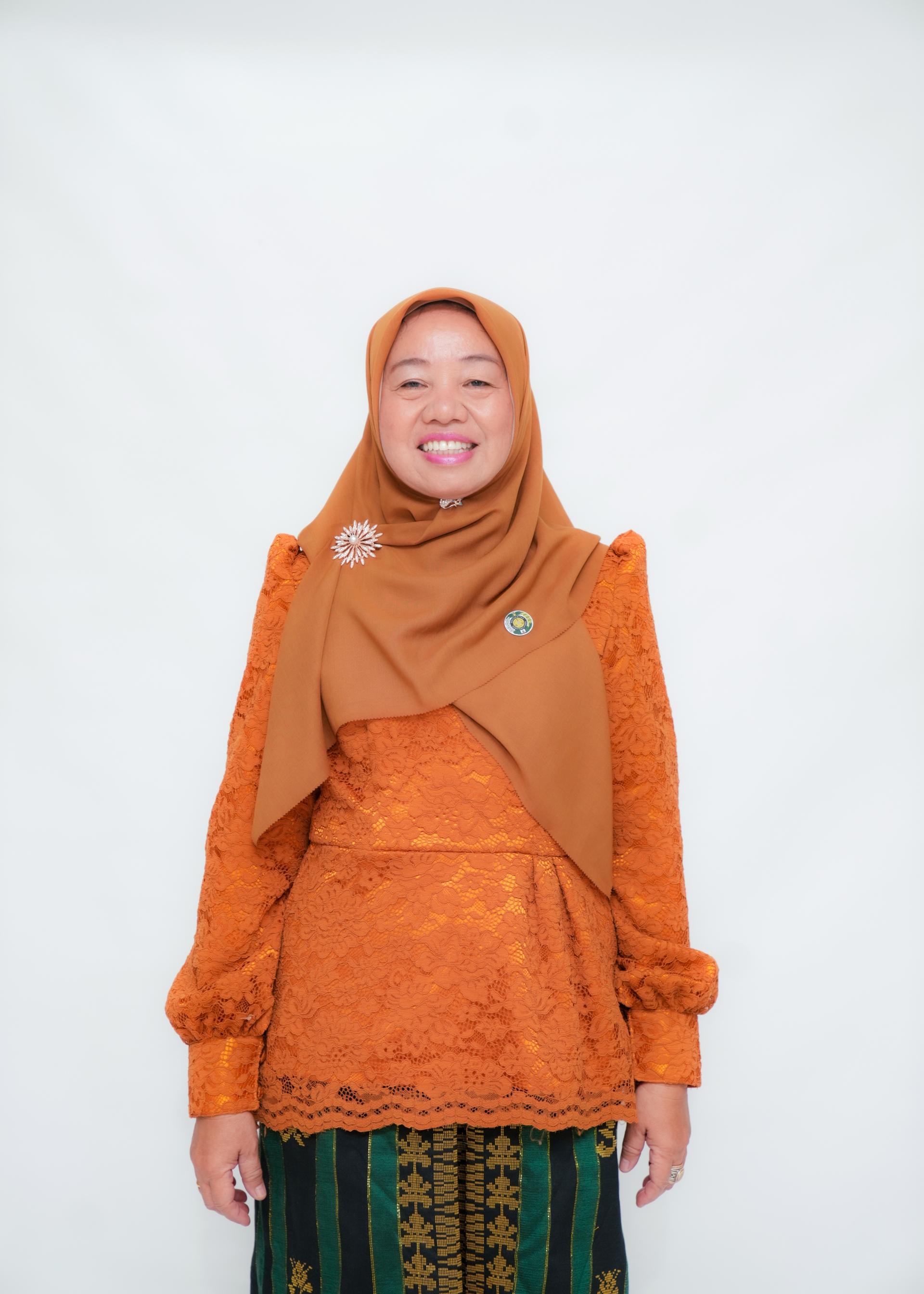
Dr. Umi Salmah, SKM., M.Kes.
Dean Fakultas Matematika Dan Ilmu Pengetahuan Alam
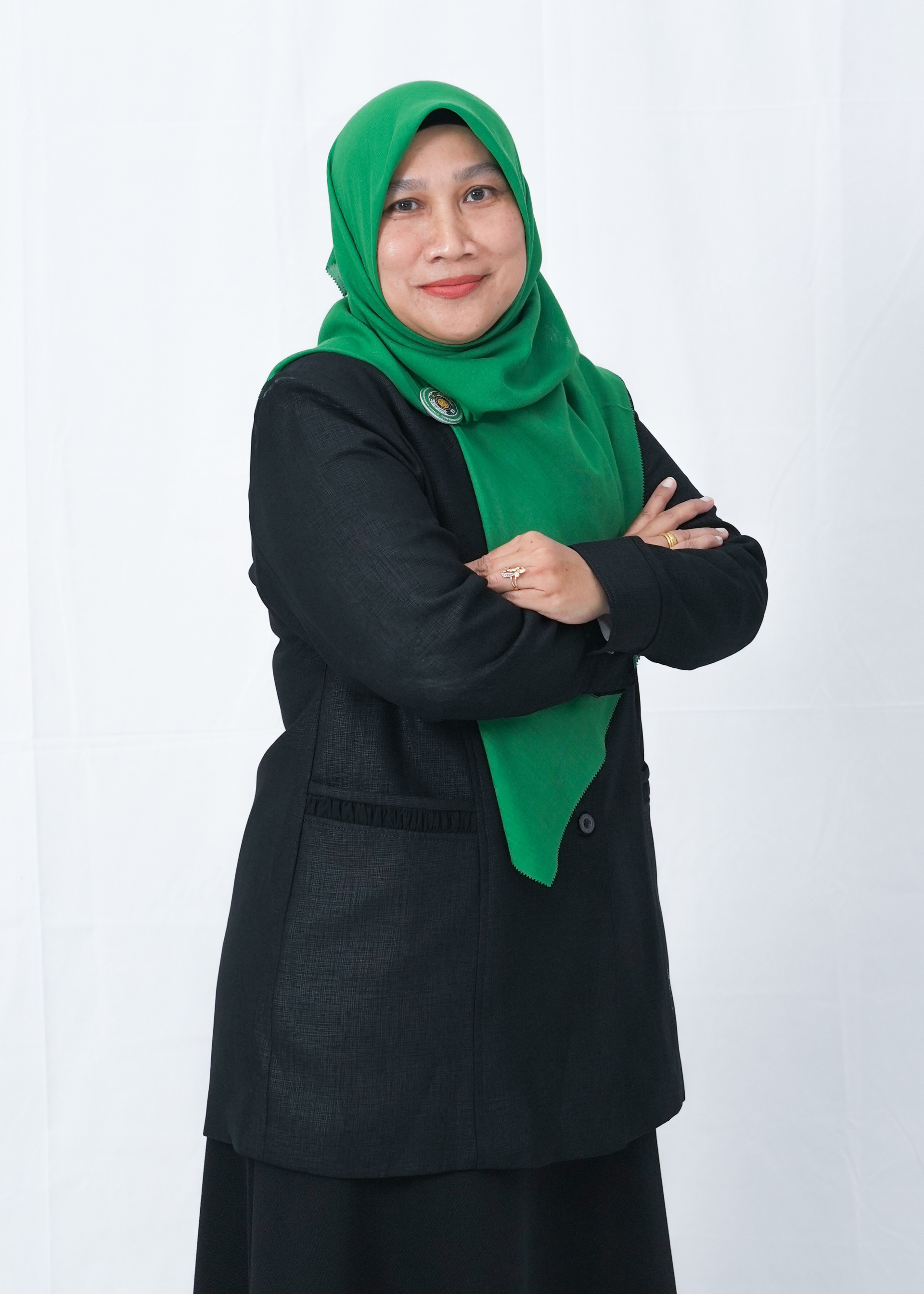
Prof. Dr. Cut Fatimah Zuhra, S.Si., M.Si.
Vice Dean I for Academic, Student Affairs, and Alumni Affairs Faculty of Mathematics and Natural Sciences

Prof. Dr. Susilawati, S.Si., M.Si.
Vice Dean II for Finance and Human Resources Faculty of Mathematics and Natural Sciences

Miswar Budi Mulya
Vice Dean III for Research, Community Service, Partnership, and Information Faculty of Mathematics and Natural Sciences
Vision and Mission
Vision
To become a faculty with academic excellence in the field of basic science and technology, capable of competing globally.
Mission
- Organizing excellent higher education in the field of basic science and technology that can compete globally.
- Developing excellent research in the field of basic science and technology by utilizing local resources to create technology with global competitiveness.
- Applying science and technology in community service programs to promote a globally competitive science community.
Human Resources
Lecturer
Other Lecturer


Education Personnel
Other Education Personnel
Organization Structure

Our Facilities
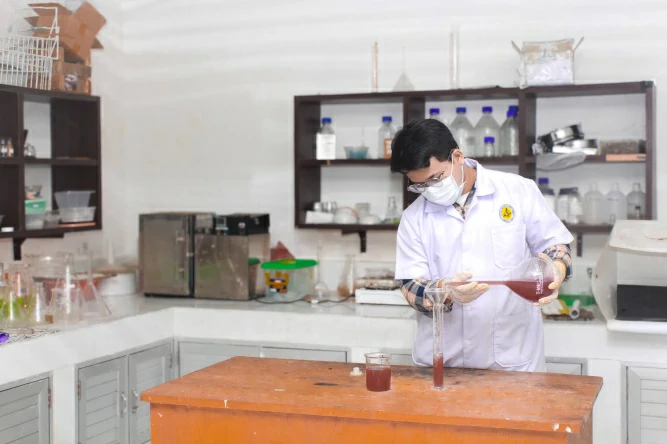
The Faculty of Mathematics and Natural Sciences (FMIPA) at Universitas Sumatera Utara provides 28 modern laboratory facilities that support research and learning in the fields of Physics, Chemistry, Mathematics, and Biology. Equipped with advanced tools for both basic and applied research, we ensure that students and faculty have the optimal resources to advance knowledge. In addition, our comfortable classrooms and safe environment foster an effective learning process, making FMIPA USU a leading academic center in the fields of science and technology.
See More
Microbiology Laboratory
The Microbiology Laboratory at the Faculty of Mathematics and Natural Sciences (FMIPA), Universitas Sumatera Utara (USU), is an integrated facility with three primary functions: education, research, and testing. Operated under FMIPA USU, the laboratory plays a key role in advancing microbiological sciences in both academic and applied contexts.As an educational laboratory, it serves students from various academic programs for routine practical sessions, including both compulsory and elective courses related to fundamental and applied microbiology. In its research function, the laboratory provides space and facilities for undergraduate thesis, master’s theses, doctoral dissertations, as well as faculty and institutional research projects.The laboratory's testing services are open to the general public and external stakeholders who require microbiological analyses such as Total Plate Count, Total Coliform, and Antimicrobial testing. Demonstrating its commitment to quality and international standards, the laboratory achieved ISO/IEC 17025 accreditation from KAN (National Accreditation Committee) in March 2024.To support its educational, research, and testing activities, the Microbiology Laboratory is equipped with a wide range of instruments, including ovens, incubators for fungal and bacterial growth, autoclaves for sterilization, biosafety cabinets for safe microbial handling, shakers, centrifuges, spectrophotometers, and various other supporting tools. The laboratory is a vital component in fostering an excellent and competitive academic environment in the field of microbiology.

Center of Excellence in Science and Technology (PUI) for Carbon and Benzoin
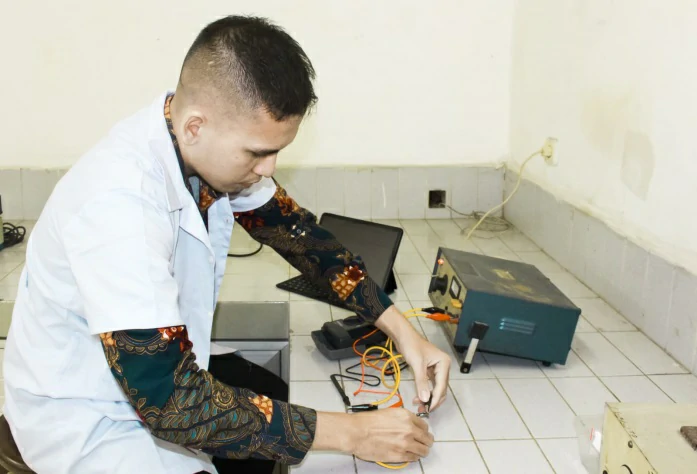
The Center of Excellence in Science and Technology (PUI) for Carbon and Benzoin, under the Faculty of Mathematics and Natural Sciences (FMIPA) at Universitas Sumatera Utara (USU), is a strategic research unit focusing on the development of carbon-based technologies and the utilization of benzoin (frankincense) as a key local commodity. This PUI provides a range of laboratory facilities to support learning, research, and development activities for students, faculty members, and external partners from industry and other institutions.The PUI Carbon and Benzoin Laboratory is equipped with both basic and advanced instruments for material preparation and analysis. Heating equipment includes electric heaters, a muffle furnace, oven, hotplate magnetic stirrers, and electromantles. For separation and extraction processes, the lab offers tools such as centrifuges, Soxhlet extractors, as well as simple and essential oil distillation setups.The laboratory also supports various analytical tests, including acid value, saponification value, moisture content, ash content, conductivity, as well as measurements of power density and energy density. Additional supporting equipment includes multimeters, AC/DC power supplies, and analytical balances.There are three main functional rooms available: a Meeting Room for discussions and coordination, an Experiment Room for practical and research activities, and a Material Storage Room for keeping research samples and raw materials. These facilities foster a collaborative and productive research environment, both for academic purposes and for external collaboration.Visit the official website of PUI Carbon and Benzoin: https://puikarbondankemenyan.usu.ac.id
PUI IPTEK Cellulose Laboratory
The PUI IPTEK Cellulose Laboratory is one of the leading research facilities owned by the Faculty of Mathematics and Natural Sciences (FMIPA) at Universitas Sumatera Utara (USU). The laboratory focuses on the study of cellulose and functional materials, including the exploration, processing, modification, and potential applications of biomass-based materials.This facility supports research and technology development activities, while also providing a space for academic learning and scientific discussion for both faculty and students. It serves as a collaborative platform that promotes interdisciplinary research and the advancement of science grounded in sustainable natural resource utilization.